About Tracks Dates Submit Program Team Get Involved
First Edition · May 29, 2026 · Virtual · Free

Can AI research
Northeast India?

The first workshop focused on AI assisted research on Northeast India's languages, cultures, and ecosystems - openly, transparently, and with full disclosure. Inspired by Agents4Science 2025 (Stanford).

May 29
Workshop Date
May 15
Submission Deadline
Apr 8
Submissions Open
Free
No Fees · CC-BY-4.0

An open experiment in AI-assisted regional research

NortheastGenAI is a focused workshop on AI-assisted research for Northeast India - a region home to over 200 languages, extraordinary biodiversity, and rich oral traditions that remain almost entirely absent from global AI research.

The workshop draws inspiration from the spirit of Agents4Science 2025, an open experiment in AI-assisted research - while adapting it for a domain where the stakes are highest: low-resource, underrepresented, and urgently underdocumented knowledge systems of the Eastern Himalayan and Indo-Burma region.

This workshop does not position AI research as a replacement for human scholarship. We are asking an open question and publishing everything that results. All submissions, prompting methods, and AI-generated reviews are publicly visible on OpenReview. Humans remain the final gatekeepers. Every AI-assisted review is followed by a human editorial check. No acceptance or rejection is decided by AI alone. The final call on all submissions rests with the workshop chairs and program committee.

This workshop positions Northeast India as a critical testbed for AI in truly low-resource, high-diversity environments.


Topics of Interest

We invite AI-assisted research submissions across three broad tracks, all with a Northeast India focus. Interdisciplinary submissions are especially welcome.

T1
Language, Culture and Heritage
Research on the languages, oral traditions, and cultural knowledge systems of Northeast India, including efforts to document, preserve, and digitise them.
Low-resource NLP · ASR and MT · Script and OCR · Oral traditions · Folklore · Indigenous knowledge · Digital archiving · Manuscript preservation
T2
Society, History and Anthropology
Research on the social structures, histories, and communities of Northeast India, including governance, identity, and cultural change over time.
Community structures · Migration and identity · Oral history · Ethnography · Indigenous governance · Gender studies · Historical documentation
T3
AI and Technology for NE India
Research on how AI and digital technology can serve the specific needs of Northeast India, including infrastructure, education, and public services.
AI applications · Low-resource models · EdTech · GovTech · Digital infrastructure · Mobile and rural technology · Multilingual systems · Biodiversity monitoring · Traditional ecological knowledge · Climate resilience

Important Dates

All deadlines in IST. Fully virtual - no travel required.

April 8, 2026
Submissions Open Key
OpenReview portal goes live.
May 15, 2026
Submission Deadline Key
11:59 PM IST. No extensions.
May 15 to 23
Review Period
AI-assisted review followed by human editorial check.
May 23, 2026
Acceptance Notifications
Via OpenReview and email.
May 29, 2026
Workshop Day Key
Virtual · Keynotes, presentations, proceedings release.

Submission Guidelines

G1AI-assisted or AI-generated. Submissions must be substantially generated or assisted by an AI system (e.g., GPT, Claude, Gemini), with clear disclosure of methodology.
G2Disclosure is mandatory. Include a paragraph naming the AI model and describing the prompting method. No disclosure = desk rejection.
G3Maximum 4 pages, excluding references. Any standard academic format (ACL, LREC, or similar) is acceptable.
G4Northeast India focus required. All submissions must engage with one of the three tracks.
G5Non-archival by design. Authors are free to submit extended versions to ACL, LREC, NeurIPS, or other venues. Proceedings published via Northeast Langchive under CC-BY-4.0.
G6Completely free. No submission, review, or attendance fees.
G7Grounding required. Include at least one of: a dataset, field reference, citation, or empirical observation related to Northeast India.
G8Exploratory work is welcome Negative results, small datasets, pilot studies, and early-stage ideas are all valid submissions if clearly grounded.
Submit on OpenReview ↗ Opens April 8, 2026 · Free account required
Northeast Langchive

Proceedings published by Northeast Langchive — academic book series for Northeast Indian languages and technologies. CC-BY-4.0 with ISBN. northeastlangchive.org ↗
Workshop Program — May 29, 2026

Indicative schedule in IST. Full program confirmed after acceptances.

09:00 to 09:15
Opening Remarks
Welcome by MWire Labs. Introduction to NortheastGenAI.
09:15 to 09:35
Keynote I — Bonaventure F. P. Dossou
Doing More with Less: Efficient Methods for Low-Resource Languages
09:35 to 09:55
Keynote II
Speaker TBC.
09:55 to 11:45
Paper Presentations
Accepted papers. 10 minutes each including Q&A.
11:45 to 12:00
Closing and Proceedings
Proceedings PDF released via Northeast Langchive. NortheastGenAI 2027 announcement.

Organizing Committee

Northeast Langchive

Proceedings Publisher — Northeast Langchive · Academic book series with ISBN, CC-BY-4.0. northeastlangchive.org ↗

Workshop Chairs
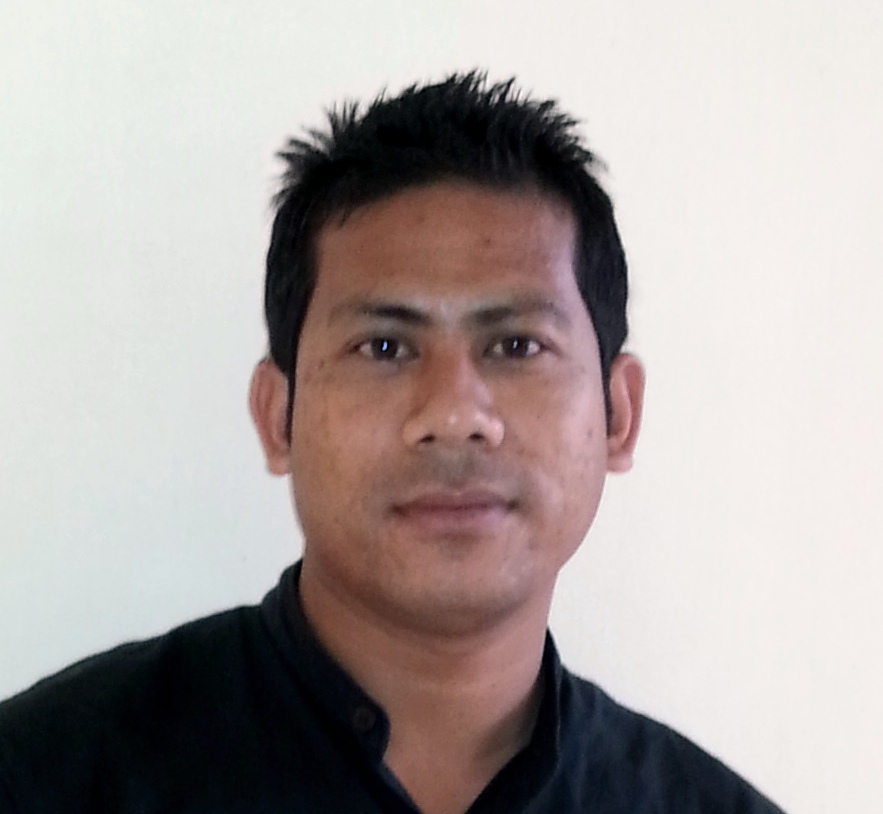
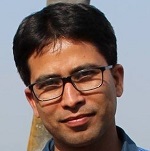
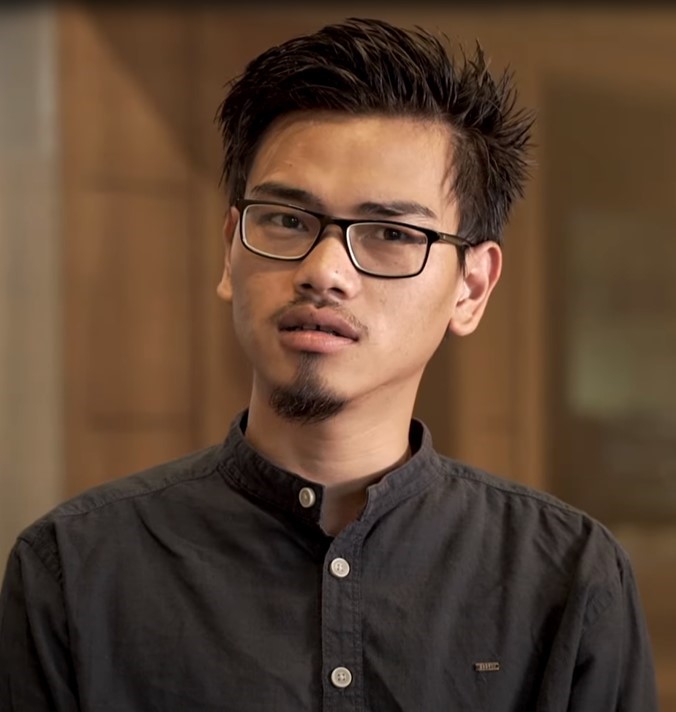
Badal Nyalang
Badal Nyalang
Director, MWire Labs
Shillong, Meghalaya
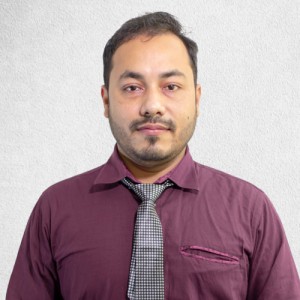
Dr. Dibya Jyoti Bora
Dean, School of Computing Sciences
Assam Kaziranga University
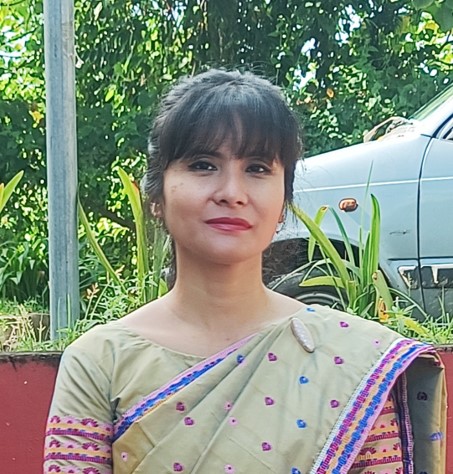
Dr. Monali Longmailai
Assistant Professor, Dept. of Linguistics
Assam University, Silchar
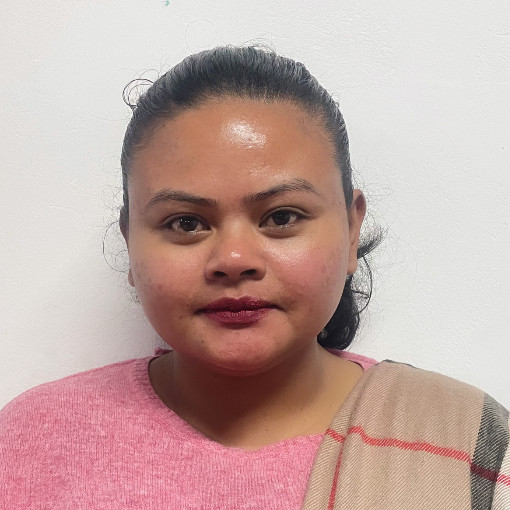
Dr. Clarissa Jane Rajee
Assistant Professor, School of Languages
and Cultural Communication
Martin Luther Christian University, Shillong
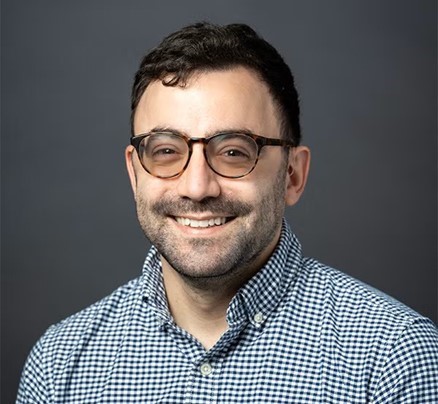
Dr. Teisovi Angami
Dr. Teisovi Angami
Assistant Professor, Dept. of Information Technology
School of Engineering & Technology
Nagaland University
Keynote Speaker
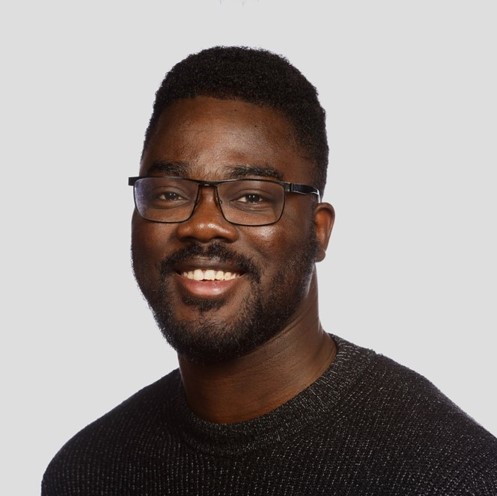
Bonaventure F. P. Dossou
Keynote
Bonaventure F. P. Dossou
PhD Candidate, McGill University & Mila
Masakhane Research Community
Beninese AI researcher working at the intersection of low-resource NLP and healthcare AI. One of the leading researchers behind the computational study of Fon, playing a key role in bringing it into Google Translate. A core member of Masakhane — building AI that works for the communities that built the world's languages, not just the ones that dominate its datasets.
Program Committee
Dr. Biman Debbarma
Dr. Biman Debbarma
Tripura University, Tripura
Dr. Arup K Nath
Dr. Arup K Nath
Tezpur University
Assam
Dr. Antonios Anastasopoulos
George Mason University, Virginia
Collaborating Senior Researcher, Archimedes AI
Organizing Team
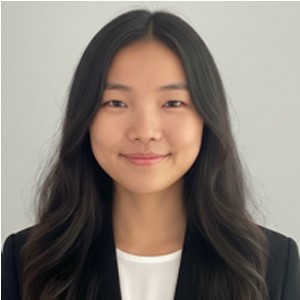
Walmatchi Gabil Momin
Workshop Coordinator
Walmatchi Gabil Momin
MWire Labs
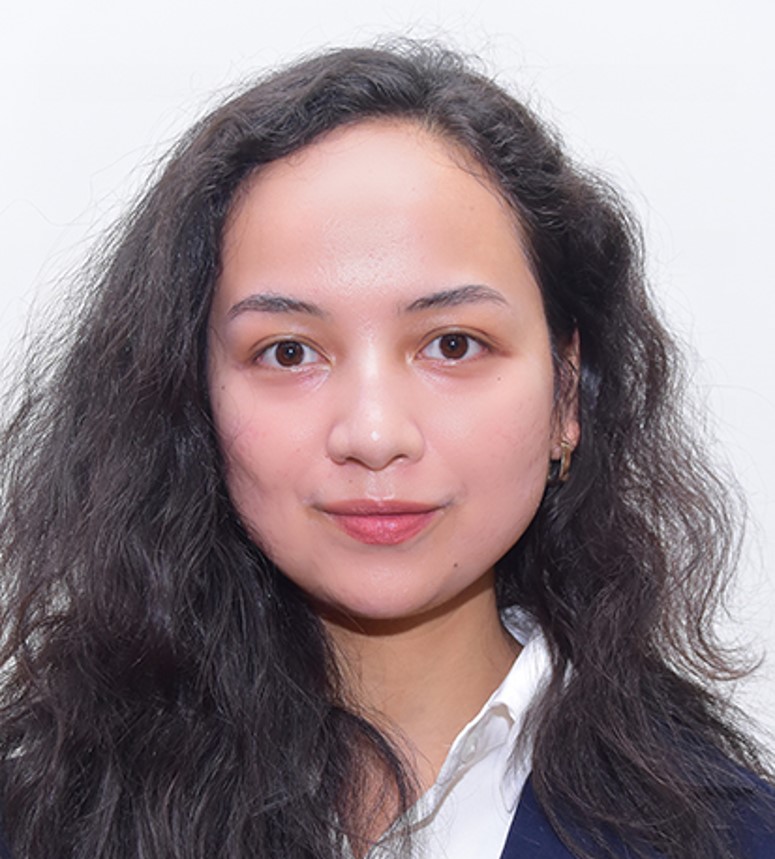
Emmi Grace Wanswett
Workshop Coordinator
Emmi Grace Wanswett
MWire Labs

Sponsor, Partner, or Collaborate

Academic

Academic Co-chair

Faculty from NE Indian universities. Your institution on the website and proceedings. Minimal commitment.

Express interest →
Institutional

Institutional Partner

Research institutes, government bodies, and NGOs in language, biodiversity, or heritage.

Get in touch →
Sponsor

Sponsor

Support via compute credits, outreach, or future edition backing. Acknowledged in proceedings.

Discuss →

All enquiries:

connect@mwirelabs.com

Frequently Asked Questions

Do I need to be an academic to submit?
No. Anyone may submit - students, independent contributors, practitioners, researchers. The requirement is NE India topic engagement and transparent AI authorship.
What does "non-archival" mean?
Authors are free to submit the same work elsewhere. We publish an open-access proceedings volume via Northeast Langchive under CC-BY-4.0 — not a formal archival publication.
How are papers reviewed?
AI-assisted review across relevance, plausibility, novelty, and clarity, followed by a human editorial check. All reviews published openly on OpenReview.
Is there a fee?
No. NortheastGenAI 2026 is completely free to submit, attend, and read.
Can I submit from outside Northeast India?
Yes. The requirement is on subject matter - engage with one of the three tracks with a clear NE India focus.
Where will proceedings be published?
In the NortheastGenAI 2026 proceedings volume by Northeast Langchive - ISBN, CC-BY-4.0, freely accessible.
Why non-archival?
This is explicitly experimental. Non-archival lets us explore and publish transparently without making claims about AI research quality we cannot yet support.